No visa needed
Nepali citizens do not need a visa to live and study in India. Travel overland or by air with your citizenship certificate or passport - no visa fees, no funds interview.
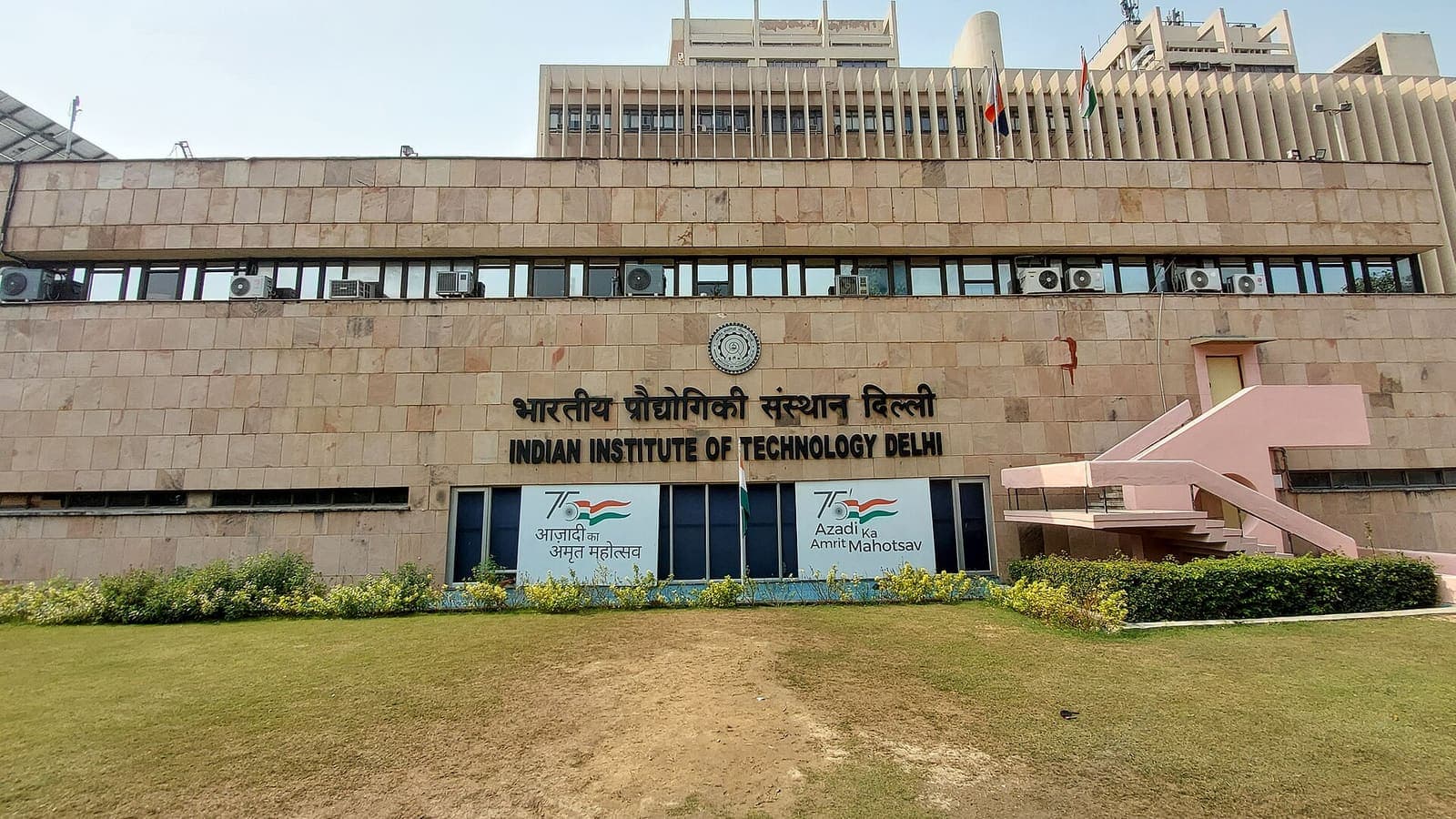
No visa, lower costs and some of Asia's best-known institutions for medicine, engineering, nursing and management. Compare Indian colleges and apply online - free.
India is the most accessible destination for students from Nepal - and for medicine and engineering, one of the strongest.
Nepali citizens do not need a visa to live and study in India. Travel overland or by air with your citizenship certificate or passport - no visa fees, no funds interview.
Tuition at many Indian institutions, cheaper living costs and short, cheap journeys home make India one of the most affordable options for a recognised degree.
From the IITs, NITs and central universities to large private universities, India offers almost every professional programme - medicine, engineering, nursing, pharmacy, law and management.
A familiar culture, food and language environment, and a large Nepali student community in Delhi, Bangalore, Pune, Dehradun and elsewhere make the transition far easier.
Direct / foreign-national admission
Many private and deemed universities admit Nepali students directly on their +2 or bachelors results, sometimes with an institutional entrance test or interview.
DASA for NITs and IIITs
The Direct Admission of Students Abroad scheme offers seats at NITs, IIITs and other centrally funded institutes to foreign nationals, based on JEE Main scores.
NEET-UG for MBBS and BDS
Foreign nationals, including Nepali students, must qualify NEET-UG to take an MBBS seat in India. You also need an eligibility certificate from the Nepal Medical Council before going abroad for MBBS.
Scholarships: Embassy of India and ICCR
The Embassy of India in Kathmandu runs several scholarship schemes for Nepali students each year, and ICCR scholarships are applied for through the A2A portal. Watch the embassy notices for dates.
| Institution type | Tuition | Living costs | Best for |
|---|---|---|---|
| Government / central | Lowest, often heavily subsidised | Low (hostels) | Students who clear entrance exams or win scholarships |
| NITs / IIITs via DASA | Moderate, set per DASA rules | Low to moderate (hostels) | Engineering with a strong JEE Main score |
| Private / deemed universities | Moderate to high | Moderate, higher in metros | Wide course choice and direct admission |
| Private medical colleges | Highest - check the full course fee | Moderate | MBBS and BDS after NEET |
Fees vary widely by college and programme - always confirm the full course fee on the course page. See the detailed cost breakdown.
Keep your name spelled identically across every certificate - mismatches are the most common cause of admission and remittance delays.
Browse Indian institutions on Admission Bravo, compare their programmes and entry requirements, and apply online.
MBBS, engineering, nursing, scholarships and costs - written for students applying from Nepal.
No. Under the open-border arrangement between Nepal and India, Nepali citizens do not need a visa to study in India. Carry your citizenship certificate or passport, and register with the college and any local authority it directs you to.
Yes. Under National Medical Commission rules, foreign nationals including Nepali students must qualify NEET-UG to be admitted to MBBS in India. You also need an eligibility certificate from the Nepal Medical Council before going abroad for MBBS, and you must pass the Nepal Medical Council licensing examination to practise back home.
Through the DASA scheme (Direct Admission of Students Abroad), which offers foreign nationals seats at NITs, IIITs and other centrally funded technical institutes based on JEE Main scores. Check the current DASA brochure for eligibility, fees and the counselling calendar.
The Embassy of India in Kathmandu offers several scholarship schemes for Nepali students at bachelors and masters level, and the Indian Council for Cultural Relations (ICCR) offers scholarships through its A2A portal. Many private universities also give merit discounts. Scheme names, seats and deadlines change, so follow the embassy notices.
It depends mostly on the institution type. Government and central institutions are the cheapest, NITs via DASA sit in the middle, private universities are moderate to high, and private medical colleges are the most expensive. Living costs are lower than in most study-abroad destinations, especially in hostels outside the big metros.
Degrees from recognised Indian universities are widely accepted in Nepal. For regulated professions - medicine, nursing, engineering and pharmacy - check that the college and programme are recognised by the relevant Indian regulator and that you will be eligible for the Nepali council's registration or licensing exam before you enrol.
Yes. Browsing Indian universities and courses, applying and tracking your applications through Admission Bravo is free. You only pay official fees charged directly by the institution.
Create your free account, explore programmes worldwide, and apply in minutes, then track every step in real time.
Applying abroad has never been easier.