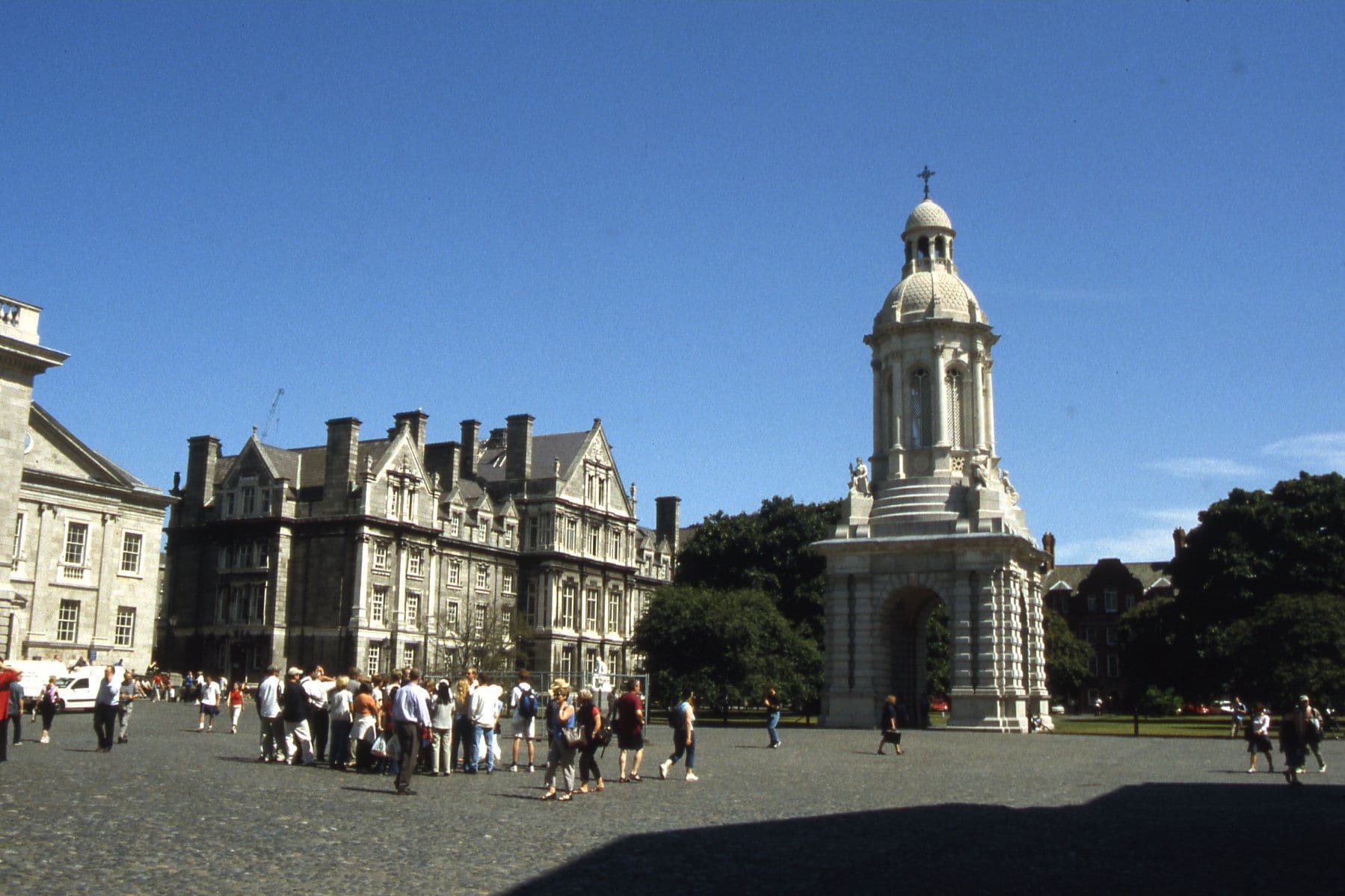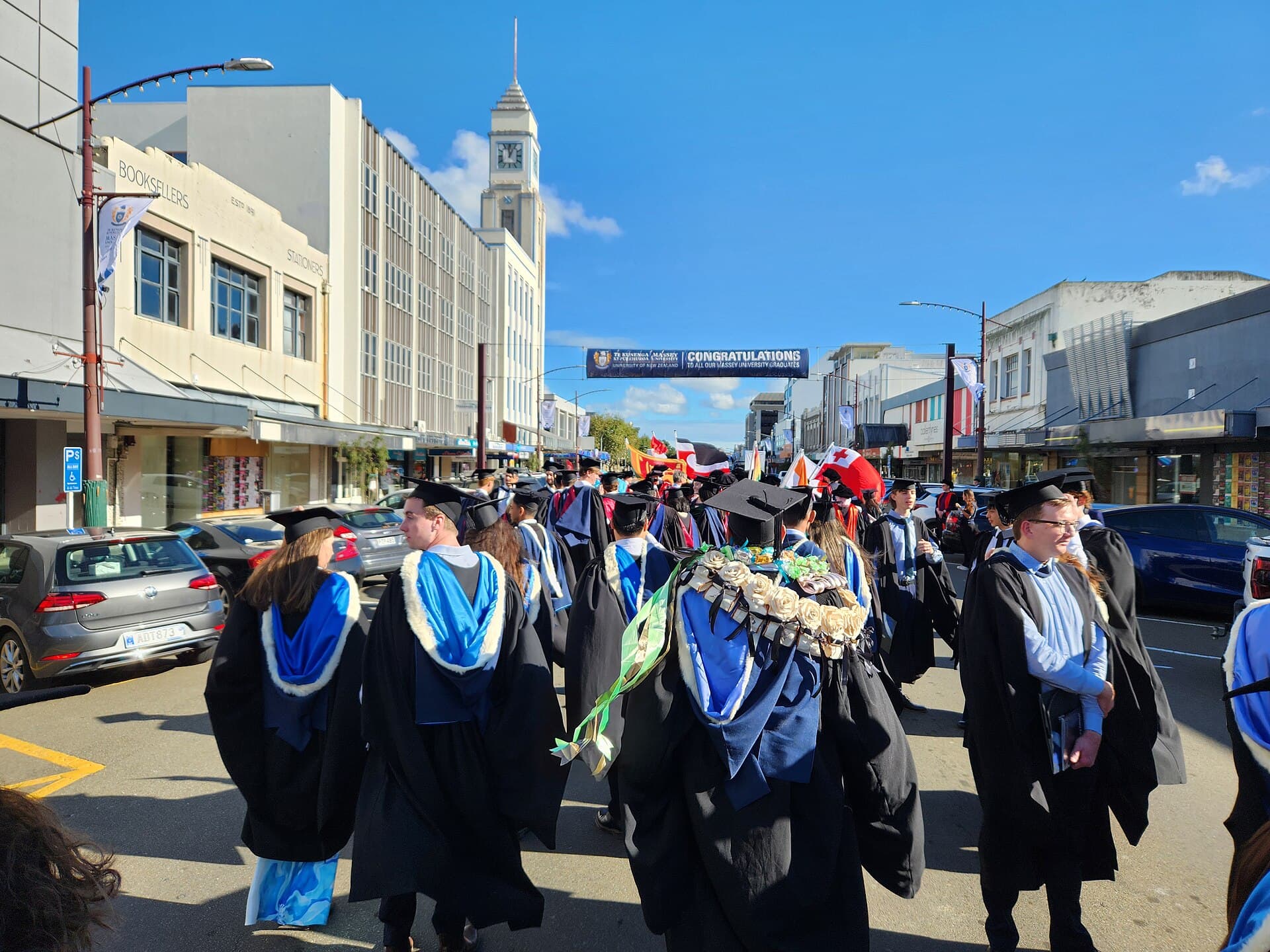
Two-year stay-back visa
Masters graduates of eligible programmes can stay and work in Ireland for up to two years under the Third Level Graduate Programme; bachelors graduates get up to one year.

Globally ranked universities, a two-year stay-back visa and Europe's densest cluster of technology and pharmaceutical employers. Compare Irish programmes and apply online - free.
Ireland has become one of Europe's most popular study destinations - English-speaking, inside the EU, and unusually well connected to graduate employment.
Masters graduates of eligible programmes can stay and work in Ireland for up to two years under the Third Level Graduate Programme; bachelors graduates get up to one year.
Dublin, Cork and Galway host the European headquarters of a large share of the world's technology, pharmaceutical and medical-device companies - so study and work sit close together.
Irish universities rank consistently well worldwide, with particular strength in computing, pharmaceuticals, business, data science and the humanities.
You study in English, and an Irish qualification is recognised across the European Union and the wider world.
The Third Level Graduate Programme lets eligible masters graduates remain in Ireland for up to two years to find and take up employment, and eligible bachelors graduates for up to one year. That window is long enough to turn a degree into real professional experience - which is why a cheaper degree somewhere you must leave immediately after graduating often works out to be the more expensive choice.
Read: the stay-back visa explained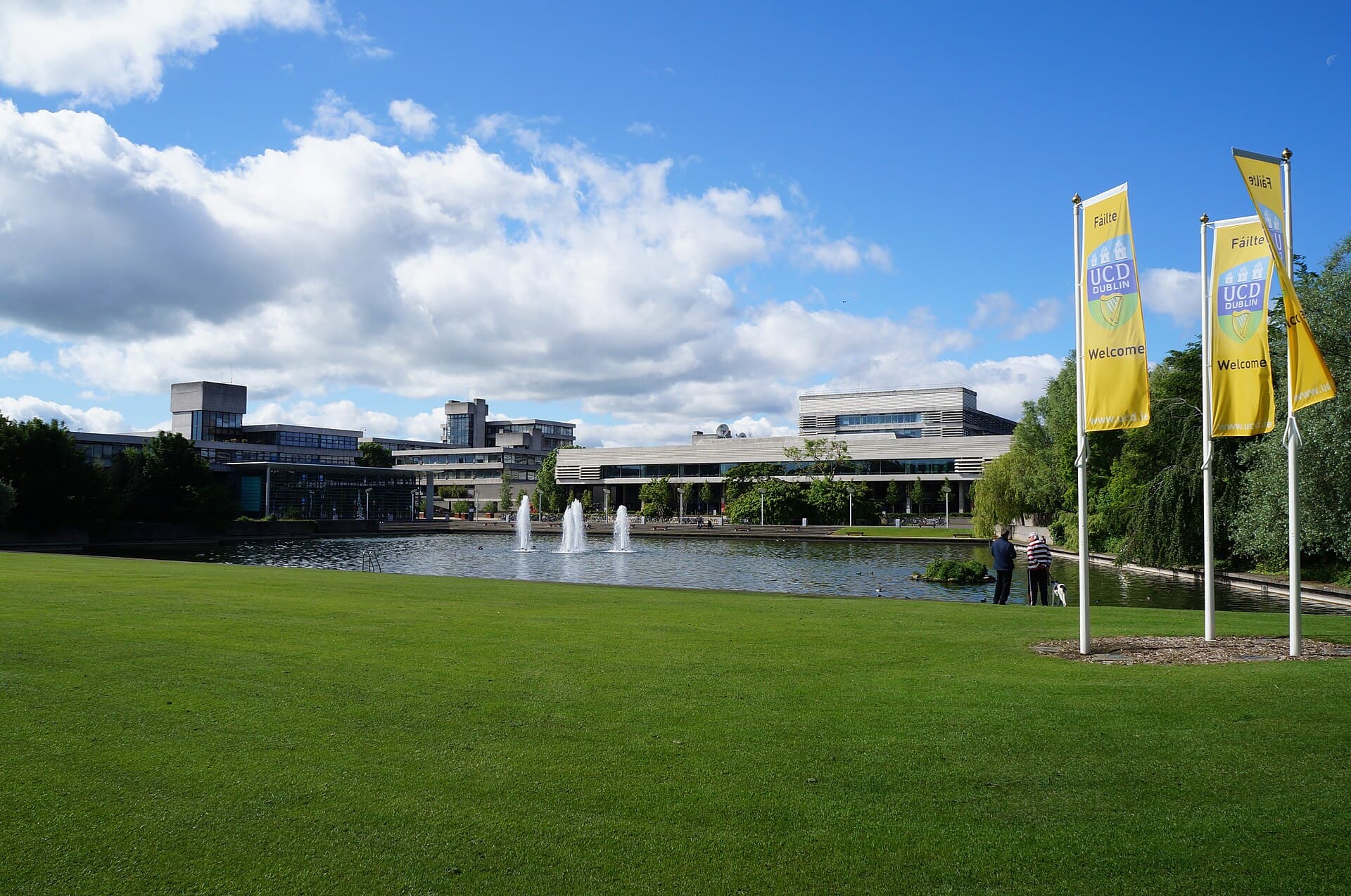
Your city decides your rent, your part-time job market and your employers. These four university cities take most Nepali students.
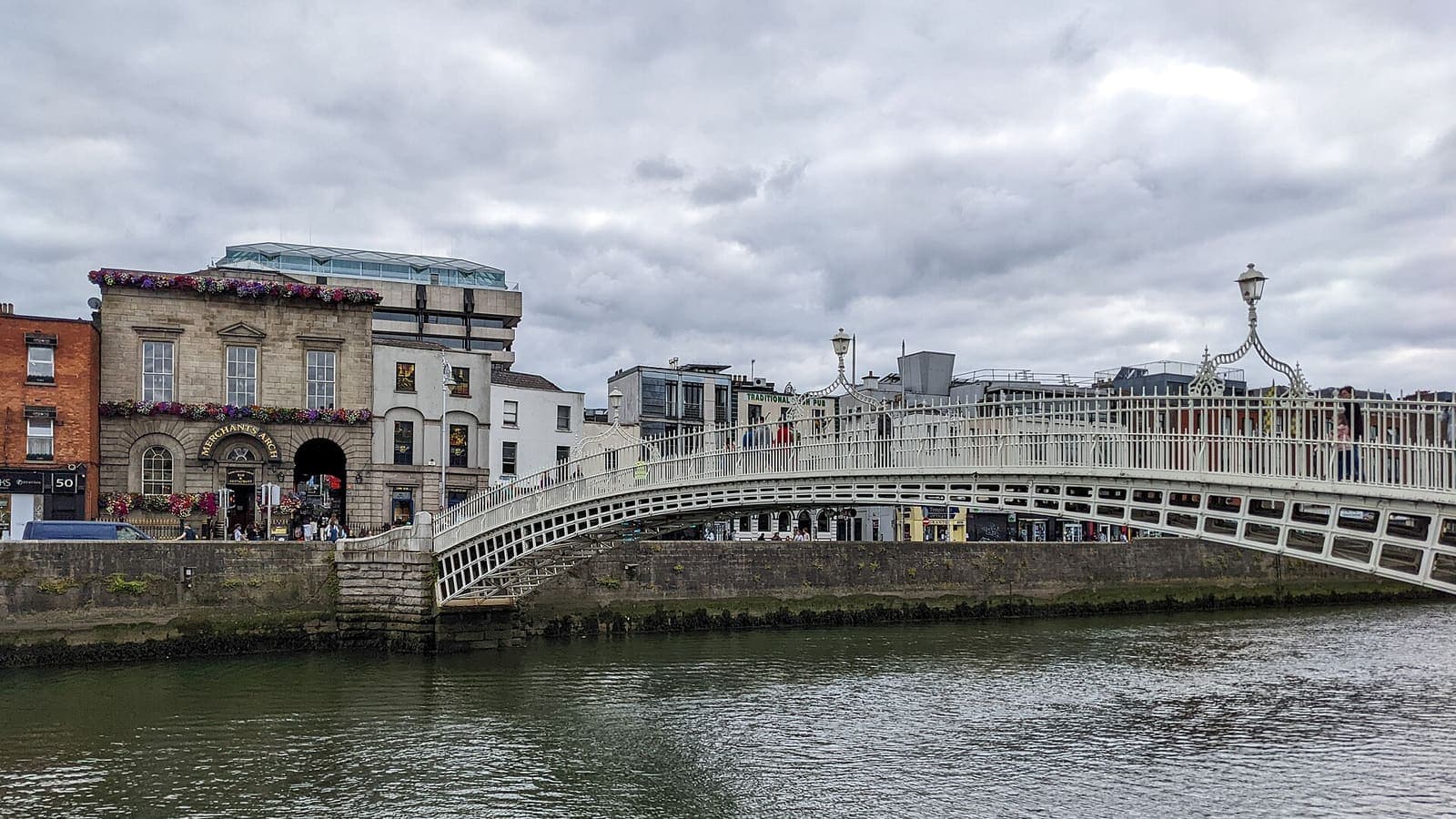
The capital and Ireland's tech and finance hub. Trinity, UCD, DCU and TU Dublin are here, alongside the most graduate jobs - and the highest rents.
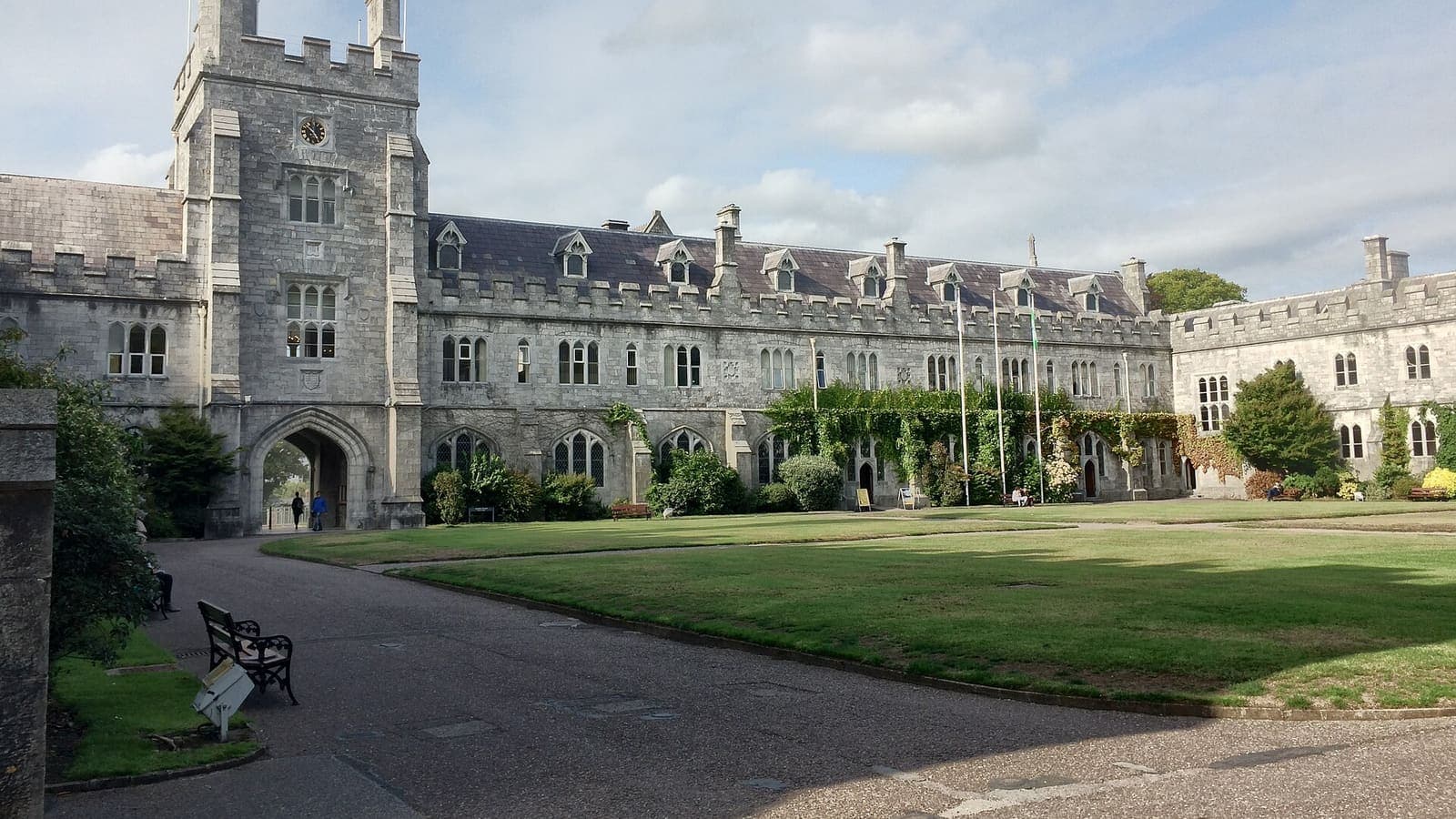
Ireland's second city, home to University College Cork and MTU. A strong pharma, medical-device and tech employer base at a noticeably lower cost of living than Dublin.
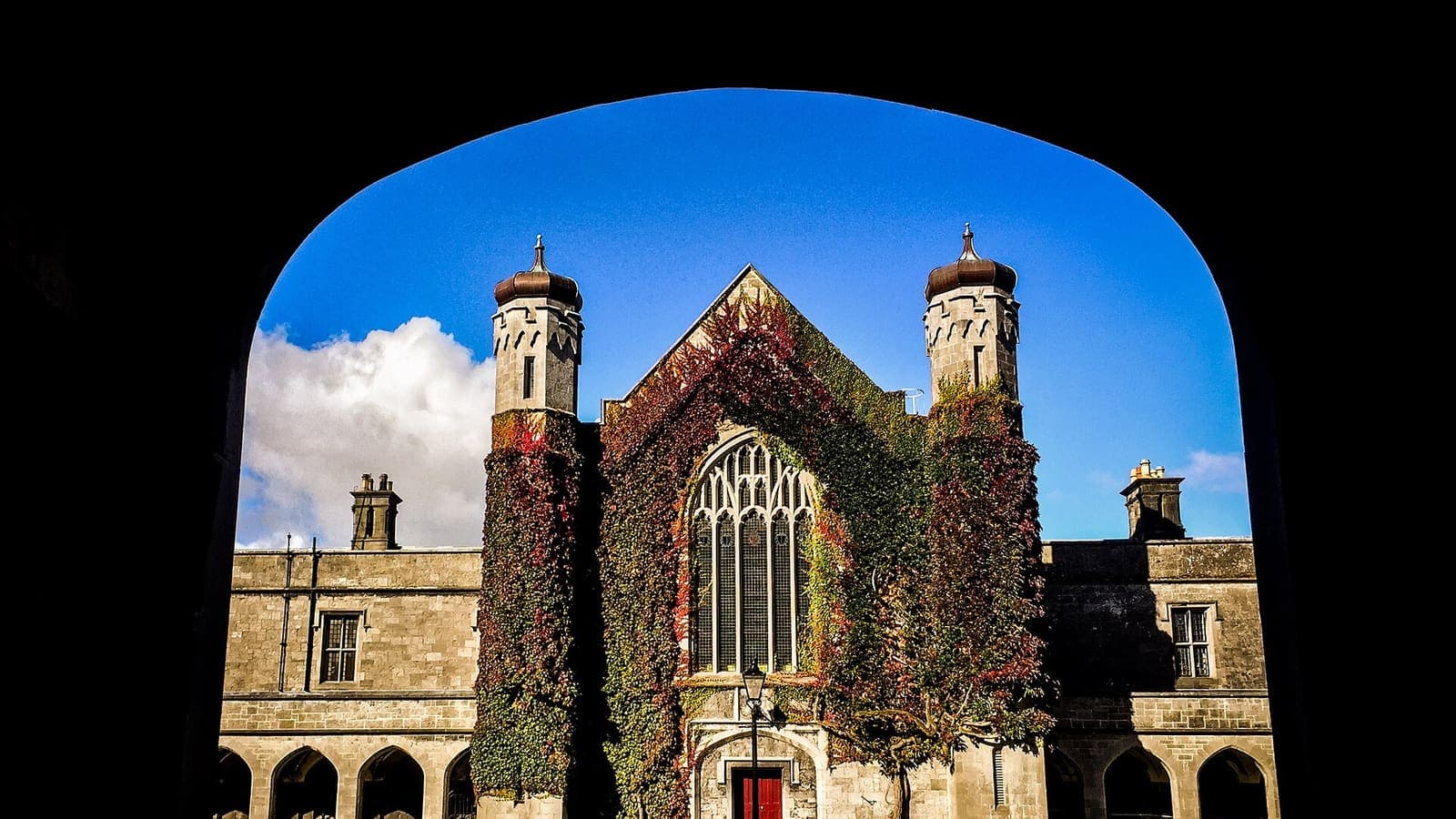
A lively, compact university city on the west coast. The University of Galway and ATU anchor a med-tech cluster, and student life here is famously social.
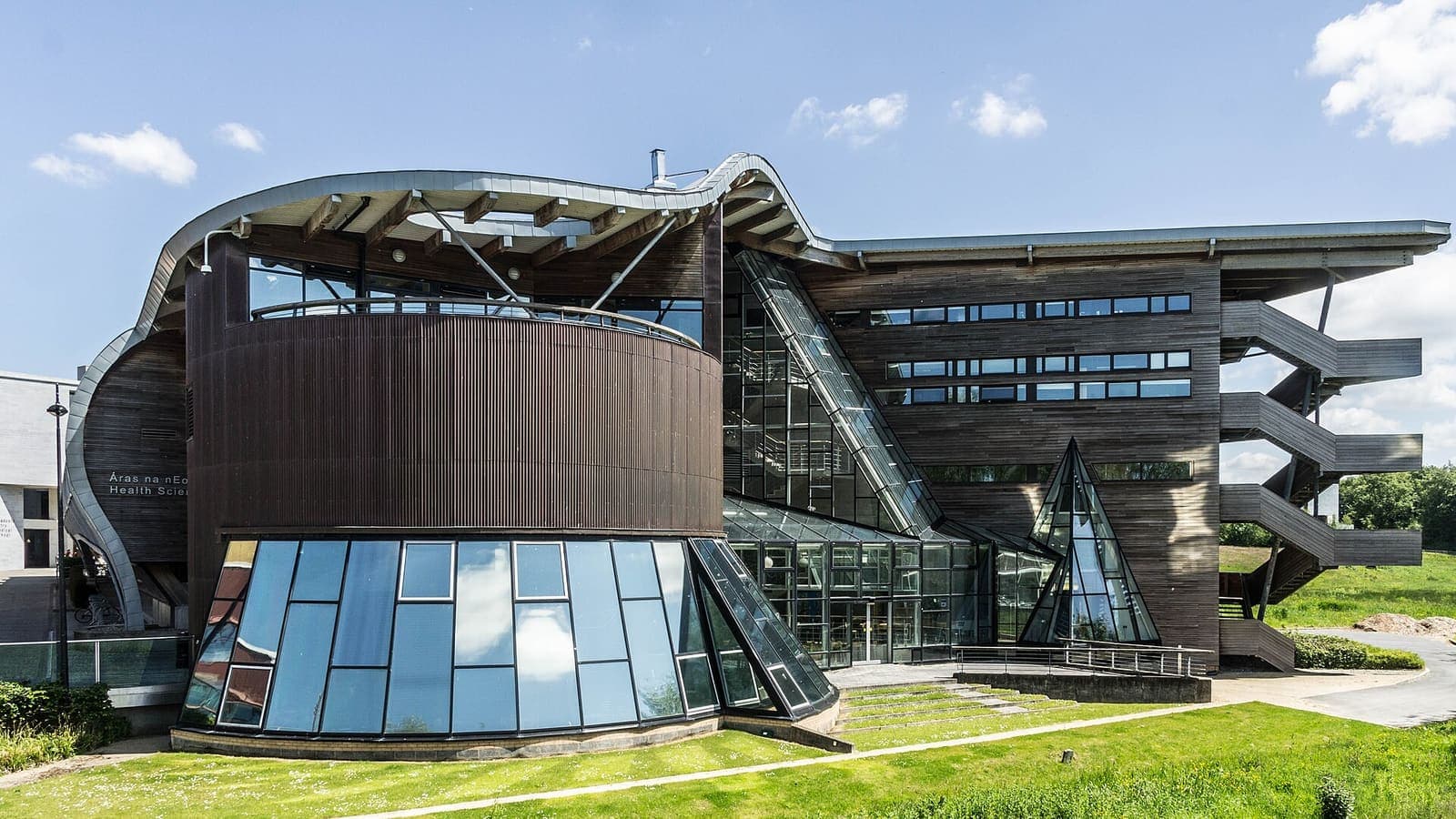
The University of Limerick runs one of Ireland's best-known work-placement programmes. Rents are among the most affordable of the university cities.
One-year taught masters dominate, and the subjects that line up with Ireland's employers are the ones most students choose.
Seven steps from shortlist to arrival. Read the complete Ireland guide for the detail behind each one.
Compare Irish universities and courses on Admission Bravo by subject, city, fees and intake.
Match your +2 or bachelors grades, and plan IELTS, PTE or an accepted alternative.
Submit your application, SOP, transcripts, CV and references. Most decisions take a few weeks.
Accept your offer and pay the tuition deposit or fees the university asks for.
Arrange proof of funds for living costs, an education loan if needed, and medical insurance.
Complete the AVATS online form and submit your documents to the designated office.
Book your IRP registration appointment, apply for a PPSN, and you can start working part-time.
Compare the full total for a specific programme and city, not a national average - the gap between Dublin and the other cities is large.
Varies widely by programme
Business, computing and engineering sit at the higher end. Always check the figure on the specific course page.
Highest in Dublin
Cork, Galway, Limerick and Waterford are noticeably cheaper for rent and day-to-day spending.
Required for the visa
You must evidence you can support yourself for the year, on top of tuition already paid.
Mandatory
Private medical insurance must be in place before the study visa is granted.
Refusals are far more often about inconsistent paperwork than about the student. Make sure your name is spelled identically across your passport, transcripts and financial documents. Follow our step-by-step Irish student visa guide.
Browse Irish institutions on Admission Bravo, compare their programmes and entry requirements, and apply online.
Costs, visas, part-time jobs, scholarships and life in Ireland - written for students applying from Nepal.
Yes. Students from Nepal apply to Irish universities directly and then apply for an Irish study visa once they hold an unconditional offer and have paid the required tuition deposit. Ireland is one of the fastest-growing destinations for Nepali students.
Under the Third Level Graduate Programme, graduates of eligible masters-level programmes can remain in Ireland for up to two years to find and take up work. Eligible bachelors-level graduates can stay for up to one year.
Most Irish universities require evidence of English proficiency, commonly IELTS or PTE. Some accept alternatives, including prior study delivered in English. Check the requirement on the specific programme before you book a test.
Students on an eligible study visa are generally permitted to work part-time during term and full-time during official holiday periods. Treat any earnings as a supplement to your funding, never as the basis of it - the visa requires you to show funds regardless.
Total cost is tuition plus living costs, medical insurance and flights. Tuition varies substantially between universities and subjects, and Dublin is materially more expensive to live in than other Irish cities, so compare the full total for the specific programme and city rather than a national average.
The main intake is September, when almost every programme starts. Many universities also run a smaller January (spring) intake for selected masters courses. Applying six to nine months ahead gives you time for the visa and for accommodation, which is the hardest part of arriving in Ireland.
Trinity College Dublin, University College Dublin, University College Cork, the University of Galway, the University of Limerick, Maynooth University and Dublin City University are the best-known public universities, alongside the technological universities. The best choice depends on your subject, budget and preferred city rather than on ranking alone.
Ireland has a clear route from study to residence: graduates move from the Stamp 1G stay-back permission onto an employment permit, most often the Critical Skills Employment Permit, which can lead to Stamp 4 permission and, over time, long-term residence. The exact salary thresholds and eligible occupations change, so check the current rules before you plan around them.
Yes. Browsing programmes, applying and tracking your applications through Admission Bravo is free. You only ever pay official fees charged directly by the university.
Create your free account, explore programmes worldwide, and apply in minutes, then track every step in real time.
Applying abroad has never been easier.